
Porcelain Veneers vs. Composite Bonding: How to Pick the Most Natural Smile
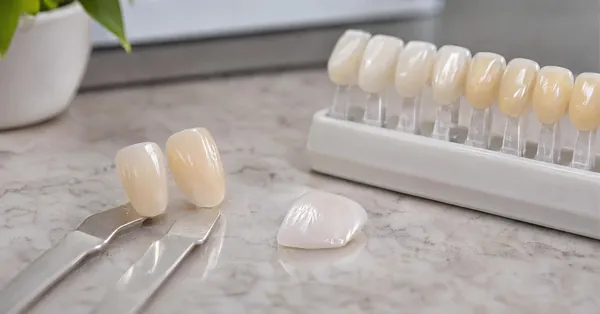
Veneers vs. Bonding for a Natural Smile | Old Tappan
If you are researching dental veneers in Old Tappan because you want a natural-looking smile, you are probably seeing two popular options: porcelain veneers and composite bonding. Both can improve color, shape, and symmetry, but they are not interchangeable.
The right choice depends on what you want to change, how long you want it to last, and how conservative you want to be with tooth structure. Our team at Precision Dentistry helps patients compare these options with real-life priorities in mind, not just before-and-after photos.
TL;DR - A Quick Way To Choose Veneers vs. Bonding
Porcelain veneers are often best when you want a longer-lasting, stain-resistant, highly controlled smile change. Composite bonding is often best for smaller, conservative fixes or a lower-commitment way to improve one or two teeth.
- Want the most stain resistance? Porcelain usually wins.
- Fixing a small chip or edge? Bonding is often a great first choice.
- Changing multiple teeth for a uniform look? Veneers may give more predictable symmetry.
- Prefer minimal tooth prep? Bonding is often more conservative.
- Not sure what your bite will tolerate? A cosmetic exam and bite evaluation matters either way.
Start With The Outcome: What Do You Want To Change?
Directory pages and social posts often treat veneers and bonding like they do the same job. In reality, your “best” option depends on the specific concern. Here are common goals and which option tends to fit them well.
When Composite Bonding Often Makes Sense
- Small chips on front teeth edges
- Minor shape tweaks (rounding corners, slightly lengthening a tooth)
- Tiny gaps (when the bite allows it and the gap is not too large)
- One-tooth cosmetic repair where matching is straightforward
When Porcelain Veneers Often Make Sense
- Stubborn discoloration where whitening does not meet your goals
- Multiple teeth needing coordinated color, shape, and symmetry changes
- Worn edges or uneven lengths where durability matters
- Higher aesthetic demands for translucency and long-term polish
Porcelain Veneers vs. Composite Bonding: The Practical Differences That Matter
Patients usually care most about five decision points: how natural it looks, how long it lasts, how it handles staining, how much tooth has to be reshaped, and how easy it is to repair later.
1) Natural Look (Texture, Translucency, And Light Reflection)
Both treatments can look very natural when designed well, but they achieve it differently. Porcelain is crafted outside the mouth, which often allows more precise control over translucency, surface texture, and the way light reflects, especially across multiple front teeth.
Composite bonding is artistically shaped directly on the tooth. In skilled hands it can blend beautifully, particularly for small changes. However, achieving the same long-term surface luster can be more challenging because composite can lose polish over time.
2) Stain Resistance And Long-Term Color Stability
Porcelain is generally more stain-resistant than composite. If you drink coffee, tea, or red wine frequently (or you simply want the least color maintenance), porcelain veneers often have an advantage.
Composite bonding can stain or darken over time, especially along edges or where the bonding meets the tooth. Polishing may help, but sometimes replacement is the better refresh.
3) Tooth Preparation: How Conservative Can We Be?
Bonding is often the more conservative option because it may require little to no removal of tooth structure. That can be appealing if you want to preserve enamel and keep future options open.
Veneers sometimes require shaping the tooth so the final result does not look bulky. The amount of preparation varies by case. During your visit, we can explain what is required for your specific smile goals and anatomy.
4) Durability And Wear In Real Life
Many patients assume veneers always last longer, but longevity depends on habits and bite forces. Porcelain can be very strong, yet it can still chip if you clench, grind, or bite hard objects.
Bonding can also be durable, but it may be more likely to chip at thin edges. A key part of choosing is understanding how your teeth come together when you talk and chew.
5) Repairability And Maintenance
A practical advantage of bonding is that it is often easier to add to or repair in the future. Veneers can sometimes be repaired depending on the situation, but replacement may be recommended for best aesthetics.
How To Decide If You Are Getting "Dental Veneers in Old Tappan" For The Right Reason
The tracked search term dental veneers in Old Tappan often reflects a bigger intent than “I want veneers.” Many people are really asking, “What is the most predictable way to get a natural-looking smile that lasts?”
If your goal is a coordinated smile change across multiple front teeth, porcelain veneers may be the more predictable path. If you mainly have one or two teeth that bother you, composite bonding could be a conservative first step.
For an overview of veneer options and how they work, you can also visit our dental veneers in Old Tappan service page.
Experience-Based Note: The "Bite" Is Often The Deciding Factor
One clinical pattern our team sees often is that patients focus on color and shape, but the bite (how the teeth contact during chewing and in side-to-side movements) is what determines whether a cosmetic change stays beautiful. If an edge is in a heavy contact zone, even great materials can chip.
This is one reason Dr. Wai-Kee Fung and our team evaluate function as part of cosmetic planning, especially when the goal is a natural look that also feels comfortable day-to-day.
What If You Are Nervous About Treatment?
Cosmetic dentistry should not feel intimidating. If anxiety is a concern, we offer comfort-focused options that may help you feel more at ease during visits. Learn more on our dental sedation page.
FAQs
Both can look very natural when planned and color-matched well. Porcelain typically holds its polish and translucency longer, while composite can look excellent but may dull or stain sooner depending on habits and maintenance.
Bonding often requires little to no enamel removal, so it is commonly considered more conservative and may be easier to adjust or replace. Veneers may require some tooth preparation, which can make them less reversible for many patients.
Porcelain is generally more stain-resistant than composite. Composite bonding can pick up surface stains over time, especially with frequent exposure to coffee, tea, or red wine, and may need polishing or replacement sooner.
In many cases, yes. Composite bonding is often a good option for repairing small chips and reshaping edges efficiently, assuming the bite and tooth structure make it a stable choice.
A good next step is a cosmetic consultation to evaluate the size of the change you want, your bite, staining patterns, and enamel condition. Many patients choose bonding for smaller, conservative changes and veneers for broader smile changes that need longer-lasting stain resistance and shape control.
Related Reading
Conclusion: Pick The Option That Matches Your Priorities, Not Just A Trend
Porcelain veneers and composite bonding can both create a natural-looking smile. The best choice is the one that matches your goals, bite, timeline, and how much long-term maintenance you are comfortable with. If you want a subtle improvement to one or two teeth, bonding may be ideal. If you want a more comprehensive, stain-resistant transformation, veneers may be the better fit.
Schedule A Cosmetic Consultation
If you are comparing veneers and bonding and want a personalized recommendation, our team at Precision Dentistry can help you weigh aesthetics, function, and long-term maintenance. If you are looking for a dentist near you in Old Tappan for cosmetic guidance, we are here to help.
Call (201) 666-8811 to schedule your visit.